
Ultimate Guide to Networking for Beauty Professionals
Networking is a must-have skill for beauty professionals in Canada. It’s not just about collecting business cards - it’s about building relationships that can shape your career. Whether you’re a makeup artist in Halifax or a salon owner using a luxury comfort stool in Vancouver, connecting with the right people can lead to mentorships, referrals, and collaborations.
Here’s what you’ll learn:
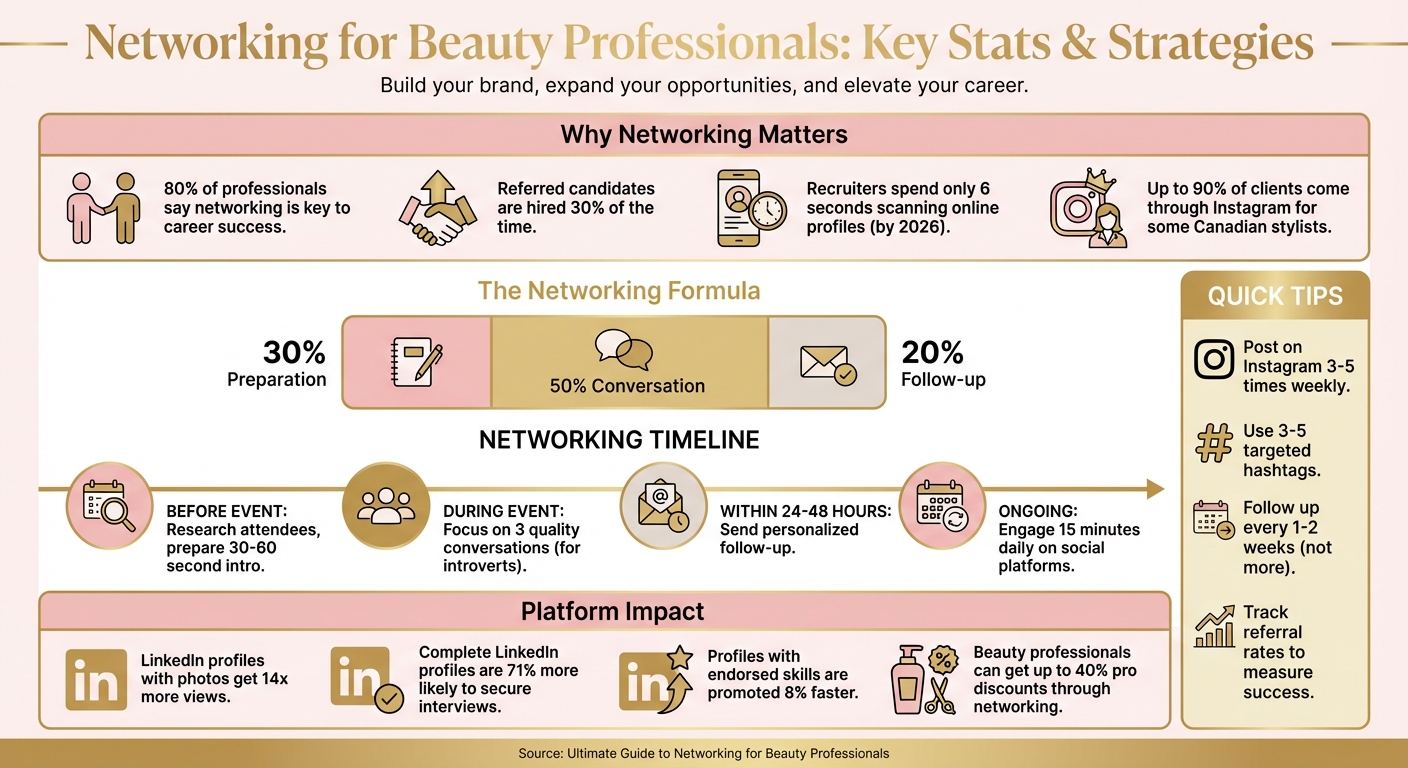
- Why networking matters: 80% of professionals say it’s key to career success, and referred candidates are hired 30% of the time.
- How to make a strong impression: From arriving on time to crafting a 30-second intro, small details matter.
- Where to network: Trade shows like ESI Show and associations like BeautyCouncil offer direct access to industry leaders.
- Using social media: Platforms like Instagram and LinkedIn are essential for showcasing your work and connecting with peers. This is especially effective when demonstrating advanced treatments like LED light therapy.
- Overcoming challenges: Introverts can focus on quality conversations, and follow-ups can turn a missed response into a connection.
Networking is about effort and consistency. With the right approach, your connections can become a launchpad for opportunities in Canada’s beauty industry.
Networking Statistics and Best Practices for Beauty Professionals in Canada
Networking As A Beauty Professional (Events, Strategies, & Tools)
sbb-itb-8ec3e54
Networking Etiquette for Beauty Professionals
Professional behaviour is the key to keeping networking opportunities open. In Canada's beauty industry, success isn’t just about your skills - it’s about how you make others feel during every interaction. Networking is often broken down into three parts: 30% preparation, 50% conversation, and 20% follow-up. This means the way you engage with others face-to-face plays the biggest role in building meaningful connections.
Canadians value politeness, punctuality, and genuine interest in others. Combining these traits with smart networking strategies helps you leave a lasting impression, which can lead to referrals, mentorships, and partnerships. Since trust and personal recommendations drive the beauty industry, understanding and practising these etiquette basics is crucial for long-term success.
Making Strong First Impressions
Always arrive on time - or better yet, a few minutes early - to networking events. Being punctual is a sign of professionalism in Canadian culture and gives you a moment to get comfortable before diving into conversations. If someone approaches you while you’re sitting, stand up to greet them. This small action shows respect and signals that you’re ready to engage. A firm handshake, steady eye contact, and a genuine smile go a long way. Also, keep your right hand free for introductions - it’s a practical move that makes things smoother.
If you're wearing a name tag, place it on your right shoulder. This makes it easy for others to see your name when you extend your hand for a handshake.
Prepare a 30–60 second introduction that highlights why you do what you do, not just what you do. For example, instead of saying, "I'm an esthetician who does facials", you could say, "I help people feel confident in their skin by creating personalized skincare routines that fit their lifestyle." This approach sparks curiosity and makes you stand out. And if you’re in bilingual regions like Quebec, knowing a few basic French phrases - like "Bonjour", "Merci", or "Enchanté" - shows respect and can leave a positive impression.
Active Listening Skills
The best networkers know that listening is more powerful than talking. When meeting someone new, avoid diving straight into your own story. Instead, ask thoughtful questions about their work, challenges, or what brought them to the event. Showing genuine curiosity can turn a casual chat into a meaningful connection.
Start with neutral topics like the weather or the event itself, then gradually shift to business-related discussions. This approach aligns with Canadian preferences for easing into deeper conversations. Also, steer clear of sensitive subjects like politics, religion, money, or gossip during initial meetings.
When joining a group, look for people standing alone or groups of three or more - pairs might be engaged in private conversations. Once you’re part of a discussion, practise active listening by nodding, maintaining eye contact, and asking follow-up questions that show you’re engaged.
Celebrity barber John Mosley, a Vagaro Icon Coach, advises, "I think the biggest mistake [industry professionals] make is when you come into the industry, you might have done well in school and you think that coming out of it, you're already 'good.' If you get comfortable and complacent, you'll get stuck there. You've got to stay a student of the game, because it's ever evolving."
After connecting on a deeper level, the next step is to ensure the relationship continues through thoughtful follow-up.
Following Up After Networking Events
Networking doesn’t end when the event wraps up. Following up within 24–48 hours is crucial to solidify new connections. Mention a specific detail from your conversation to remind them of your interaction and make your message personal.
Start by giving rather than asking. Share an article, recommend a resource, or offer to introduce them to someone in your network who might be helpful. This approach builds trust and positions you as someone who adds value.
If you exchanged business cards, consider writing a brief note on the back of yours before handing it over - something like, "It was great hearing about your new spa concept!" This small effort reinforces your interaction and makes you more memorable. When receiving a card, take a moment to look at it before putting it away. This simple gesture shows respect and appreciation for the connection.
Networking Strategies for Beauty Professionals
Once you've got the hang of networking etiquette, it’s time to dive into action. The Canadian beauty industry offers plenty of opportunities, from trade shows to professional associations and social media. Together, these avenues can open doors to mentorships, partnerships, and growth.
Let’s explore how to build on those foundational skills and expand your professional network.
Attending Beauty Trade Shows and Expos in Canada
Trade shows are like a one-stop shop for connecting with the beauty industry. These events bring together brand reps, fellow professionals, and the latest innovations, while also giving you a sneak peek into trends that could shape your business.
Take the ESI Show (Esthétique Spa International), for example. Known as Canada’s top beauty trade show, it’s been around for over 30 years and hosts events in Vancouver (8–9 March 2026), Toronto (26–27 April 2026), and Montreal (27–28 September 2026). The Vancouver event alone features over 100 companies and 250+ booths. Plus, BeautyCouncil members get perks like a $10 discount and access to in-booth treatments.
Another standout is the Canada International Beauty Expo (CIBEx) in Edmonton (5–6 June 2026). With free admission and attendees from 18+ countries, it’s a great place to make quick business connections. For those in the medical aesthetics field, the Canadian Aesthetics Expo in Toronto (September 2026) focuses on non-surgical treatments, regenerative medicine, and strategies for growing your practice.
"The premier beauty industry trade show that stands as the largest gathering of professionals and suppliers from across the entire beauty industry." - ESI Show
These events aren’t just about networking. They also offer masterclasses on niche skills like microchanneling or brow lamination, along with business sessions led by experts, including CPAs and coaches. Topics range from scaling your business to securing Canadian government funding. Even attending just one major show a year can help you stay ahead of industry trends like AI in beauty services or scalp health treatments - all while growing your professional circle.
Joining Professional Beauty Associations
Professional associations are another excellent way to expand your network. Groups like the Allied Beauty Association (ABA Canada) and BeautyCouncil offer member directories, discounts, and platforms to connect with peers nationwide.
ABA Canada, with 2,000 members and an 86-year history, provides a national directory linking you to distributors, manufacturers, and other professionals. They also act as a unified voice for the industry, advocating for regulatory changes and keeping members in the loop on broader developments.
BeautyCouncil memberships start at just $7/month (or $75/year), with student rates at $31.50 annually. Membership perks include embossed certificates, wallet cards, and window decals that signal professionalism to clients and collaborators. Companies can join for $10/month (or $115/year), allowing their entire team to benefit from lower individual membership rates.
"Flashing my BeautyCouncil Membership Card has opened so many doors for me." - Angie Rossie, Owner, The Candy Shop
Local organisations like the Ontario Professional Hairstylists Association (OPHA) and the Cosmetology Association of New Brunswick (CANB) offer tailored support and events in their regions. These bodies also send out regular updates, keeping members informed about industry news. Joining early - even as a student - helps build credibility and long-term connections.
Using Social Media for Professional Connections
Social media has completely changed how beauty professionals network. Platforms like Instagram and LinkedIn make it easy to connect with others, no matter where they’re located, while also helping you stay engaged with your audience.
On Instagram, your profile doubles as a portfolio. High-quality photos, before-and-after shots, and process videos can build trust with potential clients and peers. To optimise your profile, include your specialty and location in your bio - for example, "Jane Doe | Toronto Balayage Specialist." Use Instagram Highlights to organise content into categories like "Price List", "Before & Afters", and "Client Reviews." Don’t forget to use city-specific hashtags like #VancouverHair or #TorontoEsthetician to appear in local searches.
"Authenticity is your most powerful marketing tool. Clients book with people they know, like, and trust. Let them get to know the real personality behind your salon." - Grant Kantsios, Author, gohappybeauty
LinkedIn, on the other hand, is perfect for B2B connections and building credibility. Sharing educational content - like myth-busting posts or quick tutorials - positions you as an expert. When attending events, consider creating a QR code that links to your Instagram or LinkedIn profile and setting it as your phone’s lock screen for easy contact sharing.
Engage with local businesses online by responding to public comments and following up privately. This can turn casual interactions into meaningful relationships, boosting both client loyalty and professional referrals. These digital strategies work hand-in-hand with the in-person connections you’ll make at trade shows and through associations.
Building Your Online Networking Presence
By 2026, recruiters and business partners will spend just six seconds scanning your online profile. That means your first impression needs to count. A strong online presence is more than just being visible - it's about being strategic. Each platform plays a unique role in your networking toolkit. LinkedIn helps establish your professional credibility, Instagram showcases your creativity and technical skills, and online communities offer spaces for learning and support. Together, these platforms form a digital network that works for you 24/7. Just like in-person networking builds relationships, a well-crafted online presence lays the groundwork for lasting connections in Canada's beauty industry.
Optimizing Your LinkedIn Profile
Think of LinkedIn as your virtual handshake with employers, clients, and collaborators. Profiles with professional photos get 14 times more views, and complete profiles are 71% more likely to secure interviews. Start with a high-quality headshot - your face should take up about 60% of the frame. Use the banner space (1584 x 396 pixels) to highlight your work or reflect your brand's aesthetic.
Your headline is one of the most critical elements - it’s what LinkedIn’s search algorithm prioritizes. Avoid vague phrases like "seeking opportunities." Instead, use all 220 characters to outline your role, expertise, and location. For example: "Medical Aesthetician Specializing in Non-Surgical Treatments | Toronto | Helping Clients Achieve Natural Results." This gives visitors a clear snapshot of who you are and what you do.
"A strong profile isn't just 'nice to have' - it's a deciding factor. The difference between being found or ignored often comes down to small details." - Skrapp.io
The "About" section lets you tell your professional story in 2,600 characters, but only the first three lines are visible before users need to click "See more." Make those opening sentences impactful. Use the "Featured" section to showcase certifications, portfolios, or links to your booking site. Add 15–20 relevant skills to your profile - those with endorsed skills are promoted 8% faster, and verified skills increase hiring chances by 30%. Written recommendations from past clients or collaborators also add credibility. Want to encourage others to write you a recommendation? Start by writing one for them.
| Profile Element | Optimisation Limit | Impact Metric |
|---|---|---|
| Headline | 220 Characters | Key factor in search results |
| About Section | 2,600 Characters | First 3 lines are crucial |
| Skills | 15–20 recommended | Profiles with skills get 4x more messages |
| Banner Size | 1584 x 396 Pixels | Ideal for personal branding |
Simplify your LinkedIn URL (e.g., linkedin.com/in/janesmith-mua) so it’s easy to share on business cards or email signatures. Use the "Open to Work" feature to discreetly signal availability to recruiters. Boost your visibility by engaging with industry posts within an hour of publication - this "First-Hour" rule helps amplify your profile. Considering that 95% of recruiters rely on LinkedIn to find talent, these small tweaks can make a big difference.
Next up: how Instagram can visually showcase your expertise.
Using Instagram to Display Your Work
Instagram doubles as a portfolio and booking tool for beauty professionals. In fact, some Canadian stylists report that up to 90% of their clients come through Instagram. The platform’s visual nature makes it ideal for showing off your skills, from transformations to techniques.
"If a client is searching for a new stylist, they will look them up on Instagram to see their work. They can be the best stylist ever, but if they aren't on Instagram and don't have a social presence, they aren't going to get that business." - Max Gourgues, Salon Owner and Redken Educator
Start with a polished bio: include a professional headshot or salon logo, set your business category (like "Beauty Salon" or "Hair Stylist"), and clearly state your value proposition along with your location. Add a call to action, such as a booking link or Linktree. High-quality visuals with proper lighting are essential - clients want to see accurate textures and colours.
Stick to the 80/20 rule: 80% of your content should educate or entertain (like hair hacks or before-and-after transformations), and 20% can promote your services. Reels are especially effective for reaching new audiences - use trending audio and quick tips to grab attention.
Avoid "posting and ghosting." Respond to comments, engage with other professionals’ posts, and use direct messages to connect with potential clients or collaborators. Location tags and tagging the brands you use can help you reach local audiences and even score pro discounts - some brands offer up to 40% off for industry professionals. Aim to post 3–5 times weekly and use 3–5 targeted hashtags to maximise visibility.
Use Instagram Stories daily for behind-the-scenes content, polls, and Q&As to build personal connections. Collaborate with complementary businesses - like a lash tech teaming up with a wedding photographer - for cross-promotions. Finally, review Instagram Analytics regularly to refine your strategy.
Joining Online Communities
Online communities are a great way to connect with peers, share trends, and find collaborators across Canada. Facebook groups like "Esthetician Connection" and "The Secrets Of Estheticians" are excellent for exchanging tips and staying informed about industry updates.
The Allied Beauty Association (ABA) Canada has active social media channels with 11,300 Instagram followers and 20,200 Facebook followers, creating spaces for networking and learning. Platforms like the Nails R Us Professional Network connect schools, brands, and instructors, offering webinars and certifications. These networks often provide early access to product launches and testing opportunities.
"It's hard to work alone - so don't! BeautyCouncil is an association of passionate, committed beauty professionals, which is truly the best resource of all." - BeautyCouncil
Use hashtags like #esthetician on Instagram or X (formerly Twitter) to join conversations and discover peers. Instead of just collecting contacts, focus on building relationships by sharing others' work, giving referrals, and leaving thoughtful comments. If you’re part of an association, take advantage of their member directory to connect with other professionals across Canada.
Subscribe to newsletters like Beautypreneur Hub Insider for updates on product launches, discounts, and job opportunities. You can also join your local Chamber of Commerce or find niche networking groups using platforms like Meetup. These connections enhance your digital presence and open doors for collaborations both online and offline.
Overcoming Common Networking Challenges
Networking can feel like a steep hill to climb, especially after long workdays or when faced with the fear of being too pushy - or worse, being ignored. These struggles are common, but they’re not insurmountable. With the right approach, you can tackle these challenges and make meaningful connections.
Networking as an Introvert
Being introverted doesn’t mean you’re bad at networking - it just means your style is different. Instead of trying to meet everyone in the room, focus on smaller, more meaningful interactions. For example, aim to have three engaging one-on-one conversations rather than collecting a stack of business cards. It’s about quality, not quantity.
Where you position yourself at events can also help. Standing in line for coffee or snacks creates an easy opportunity to chat without the pressure of walking up to someone cold. Avoid sticking to the edges of the room - most of the action happens in the middle. If small talk feels awkward, try the "Connector" strategy: introduce two people who might hit it off. This not only shifts attention away from you but also makes you memorable as someone who brings others together.
"Networking is not about pushing a bunch of business cards into people's hands... Networking is the act of connecting. Resist the urge to make it complicated." - ASCP Staff, Associated Skin Care Professionals
Another tip? Wear something that stands out - a bold colour or an interesting accessory. It gives others a reason to approach you, making the initial interaction feel more natural. And when you do start a conversation, lead with a genuine compliment like, "I love your shoes - where did you get them?" or even, "Your skin looks amazing! Who’s your esthetician?" or asking about their favorite diagnostic tools like a Woods lamp. These small touches make connections feel authentic.
Remember, introverts bring strengths to the table: they’re great listeners and thoughtful communicators. These skills often lead to deeper, more meaningful relationships.
Dealing with Rejection or No Response
Even with a thoughtful approach, not everyone will reply to your messages - and that’s okay. A lack of response usually has more to do with the other person’s busy schedule than the value of your outreach. Networking is about building relationships, not quick transactions, and those take time.
When following up, aim to send a personalized message within 24 hours of meeting someone. Mention something specific from your conversation to remind them of who you are and show genuine interest. Instead of asking for something, offer value first. Share an article they might find useful, suggest a resource, or offer to connect them with someone in your network. This makes it easier for them to respond.
If your message still goes unanswered, try engaging with their content on platforms like Instagram or X (formerly Twitter). Commenting on their posts or sharing their work is a low-pressure way to stay on their radar. Tools like Streak or Dex can help you keep track of your connections and remind you when to follow up, so nothing slips through the cracks.
Be mindful of your timing - reaching out every one to two weeks is usually enough. Persistence is key, but overdoing it can feel pushy.
Networking isn’t something that happens overnight. It’s a long-term effort that requires patience and consistency. But with time, the connections you build will prove invaluable.
Measuring Your Networking Results
Making a strong first impression is important, but tracking your progress is what ensures those connections turn into real opportunities. By using simple metrics, you can see how your networking efforts are paying off.
Tracking Your Connections and Opportunities
Forget messy notebooks or scattered business cards. Tools like Streak or Dex - both Customer Relationship Management (CRM) tools - can help you organize contacts, log meeting details, and keep track of key notes. For instance, if someone mentions they’re searching for new skincare suppliers or planning to expand their services, you’ll have that info at your fingertips.
Start by jotting down important details on business cards right after meeting someone. Later, transfer those notes into your CRM or spreadsheet. Group your contacts into categories like potential mentors, clients, vendors, or co-marketing partners. A diverse network can better support your business goals.
Keep an eye on your results by tracking things like referrals, new clients from introductions, partnerships, and collaboration opportunities. Pay attention to your referral rate - how often your current connections introduce you to others. This is a great way to gauge trust and the overall strength of your network. After all, research shows 80% of professionals believe networking is key to career success.
| Networking Metric | What It Measures | Why It Matters |
|---|---|---|
| Connection Growth Rate | Number of new meaningful contacts per month | Tracks how quickly your professional network grows |
| Engagement Quality | Response rates and depth of dialogue | Shows if you’re building genuine relationships |
| Opportunity Generation | Partnerships, clients, or job leads | Links networking to tangible business outcomes |
| Referral Rate | Frequency of introductions from connections | Reflects your reputation and trustworthiness |
Once you’ve got your system in place, the next step is to focus on structured follow-ups and measurable success.
Setting Networking Goals
Vague goals like “meet more people” don’t cut it. Instead, aim for SMART goals: Specific, Measurable, Achievable, Relevant, and Time-bound. For example, decide to “connect with three potential mentors on LinkedIn this month” or “meet five new estheticians at the next trade show.” These targets give you something concrete to work toward.
You can also set a monthly Connection Growth Rate goal - how many meaningful new contacts you want to add to your network. Review your follow-up response rates and adjust your approach if needed. A CRM or calendar reminders can help you stay consistent with follow-ups, keeping you top of mind with your connections.
"I think the biggest mistake [industry professionals] make is when you come into the industry... you've got to stay a student of the game, because it's ever evolving." - John Mosley, Celebrity Barber and Vagaro Icon Coach
Use insights like this to fine-tune your networking strategy and stay ahead.
Using Resources from Beauty Pro Supplies Canada
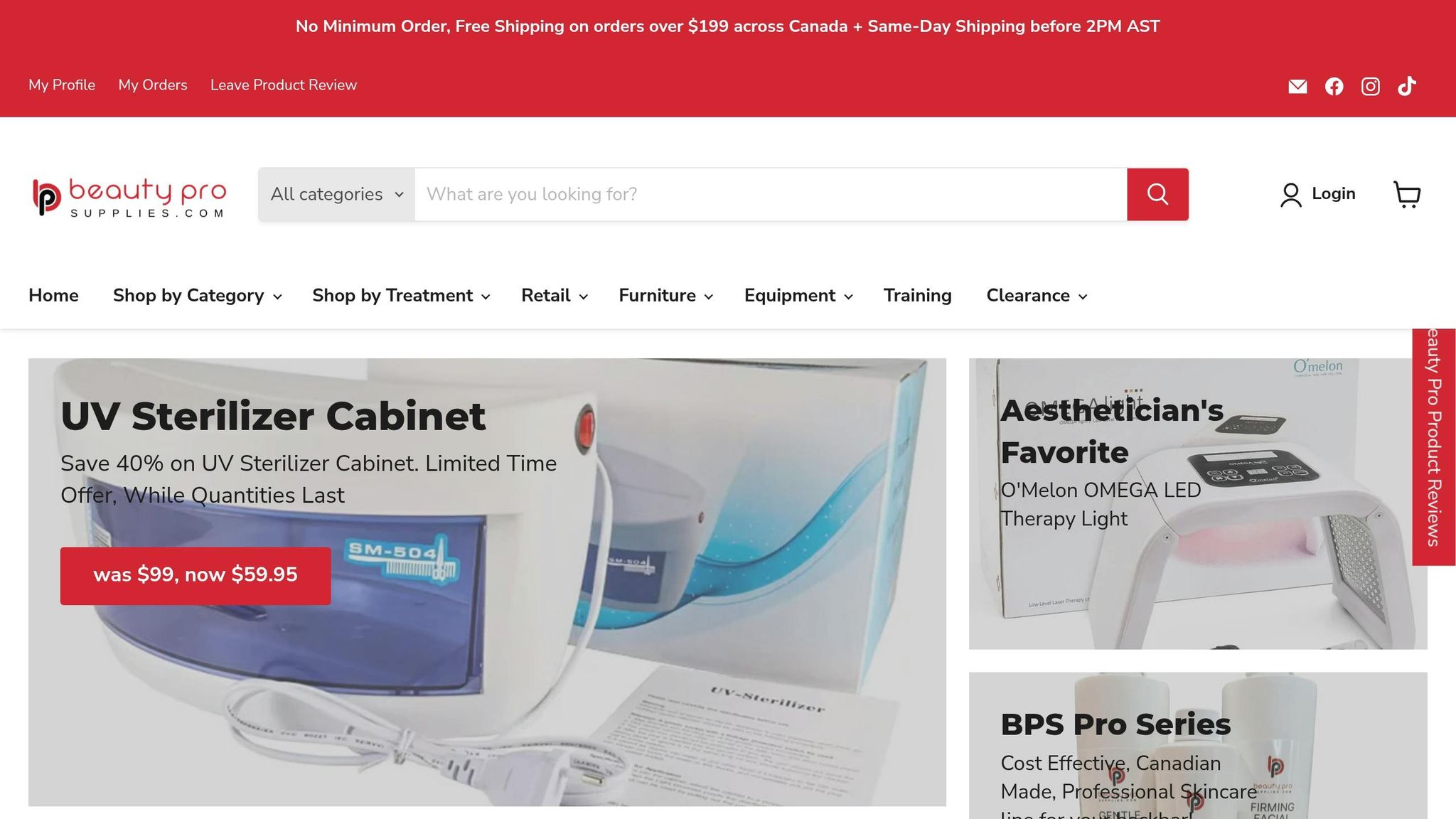
Staying informed about industry trends isn’t just helpful - it makes you stand out. The Beauty Pro Blog by Beauty Pro Supplies Canada covers everything from Canadian regulations to advertising rules for med spas. This knowledge positions you as someone who takes their work seriously.
Subscribing to their newsletter keeps you updated on new arrivals and promotions, which can serve as great conversation starters at networking events. Talking about topics like Health Canada–approved devices or professional-grade skincare lines, such as the BPS Pro Series, shows you’re engaged and current.
Investing in professional-grade equipment and furniture also enhances your credibility. Delivering high-quality results naturally leads to referrals and opens doors to collaborations. Stay connected with industry peers by following Beauty Pro Supplies Canada on platforms like Facebook, Instagram, and TikTok. With a stellar 5.0/5.0 rating from 284 customer reviews, they’ve earned trust within the professional community - the same trust you aim to build through your networking efforts. Leveraging trusted resources like these strengthens your reputation and helps you uncover new opportunities for growth.
Conclusion
Networking is all about building real relationships that can drive your career forward. It’s a mix of preparation, engaging conversations, and thoughtful follow-ups. Whether it’s crafting a clear 30-to-60-second elevator pitch, digging into attendee lists before a trade show, or sending personalized follow-ups within 24 hours, every small effort adds up.
With these strategies, your network becomes a powerful tool for growth. The beauty industry is always shifting, and staying connected helps you stay ahead. Your network can lead to perks like pro discounts of up to 40% on top brands or learning about new techniques before they hit the mainstream. But it’s not just about the financial benefits. Networking brings mentorship, collaboration opportunities, and a support system that truly understands the unique challenges of your field.
Start small, but make it a habit. Spend just 15 minutes a day engaging on platforms like Instagram or LinkedIn to keep your connections strong and growing. Always have business cards handy - you never know when a chance to connect might pop up. Consider joining your local Chamber of Commerce or beauty associations to meet like-minded professionals. Use a simple CRM to track your connections and referrals, giving you a clear picture of your progress. Whether online or in person, every interaction strengthens your professional base.
Leverage resources like Beauty Pro Supplies Canada to stay in the loop on industry trends and updates. Their blog offers insights into Canadian regulations, trends, and professional tips - perfect for sparking knowledgeable conversations at events and showcasing your expertise.
Don’t wait - take action today. Set one SMART networking goal for this month. Maybe it’s reaching out to three potential mentors on LinkedIn or attending your first local industry mixer. The collaborations, clients, and opportunities you’re looking for could be just one conversation away.
FAQs
How do I start networking if I’m new to the industry?
If you're new to the beauty industry, kick-starting your networking efforts can feel overwhelming, but it doesn't have to be. Start by putting together some professional tools - like business cards - to make sharing your contact details simple and memorable.
Next, dive into the action: attend industry events, join social media groups, and actively connect with seasoned professionals who can offer guidance and advice. These steps aren’t just about collecting contacts - they’re about building meaningful relationships. Staying active and visible in your community can make all the difference in growing your network and advancing your career.
What should I say in a 30-second introduction?
Networking in the beauty industry isn’t just about handing out business cards - it’s about forming real connections that can open doors. A strong 30-second introduction should showcase your expertise, your passion for the field, and what sets you apart. These moments are an opportunity to build relationships that could lead to collaborations, referrals, or even keeping up with the latest trends. Whether you’re meeting someone face-to-face or connecting online, meaningful interactions can help grow your career and strengthen your professional presence.
How can I turn online connections into real referrals?
Building meaningful relationships starts with delivering top-notch service and following up in ways that show clients they matter. To encourage referrals, consider creating straightforward processes or offering incentives that make it easy for clients to recommend you. Stay visible online by sharing helpful content and participating in relevant industry conversations. By blending great service, thoughtful personal touches, and easy-to-use referral options, you can inspire happy clients to spread the word, transforming online connections into tangible referrals.
Leave a comment